


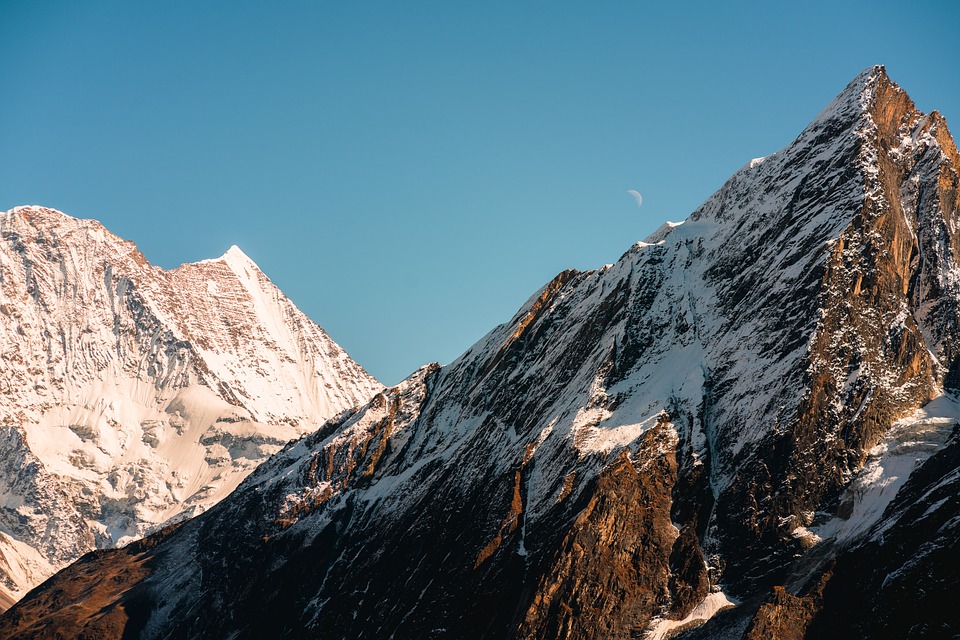
From the stunning vistas of the Rockies to the serene beauty of national parks, the world is a sprawling canvas waiting to be explored. Backpacking presents an opportunity for adventure and self-discovery, inviting individuals to step outside the confines of everyday life and immerse themselves in nature. If you’re contemplating your first epic backpacking adventure, consider this guide—a treasure trove of tips and recommendations to help you embark on a fulfilling journey.
Understanding Backpacking
Backpacking is more than a mere hiking excursion; it is a method of travel that combines hiking with overnight camping. Typically, participants carry their essentials—food, water, clothing, and shelters—on their backs. Unlike traditional camping, where you set up base in a designated campsite, backpacking allows you to traverse multiple terrains and experience various landscapes. This can lead to deeper connections with nature and uncover hidden gems off the beaten path.
Choosing Your Destination
For beginner backpackers, selecting the right trail is critical. You want to find a trail that is both accessible and manageable. Start with well-marked paths that offer gradual ascents. The Appalachian Trail (AT) offers segments ideal for beginners, with stunning views and well-maintained shelters. Similarly, the Pacific Crest Trail (PCT), while longer and more challenging, includes numerous shorter sections perfect for novice backpackers.
Research is your best friend at this stage. Websites like AllTrails and Hiking Project provide detailed trail descriptions, user reviews, and difficulty ratings. Engage with online communities through platforms like Reddit or dedicated backpacking forums. Here, experienced backpackers share their insights, recommendations, and even cautionary tales.
Essential Gear for Beginners
The right gear can make or break your experience. While it can be tempting to purchase the latest high-tech equipment, beginners should focus on obtaining the essentials. Below is a basic checklist:
- Backpack: Look for a comfortable, adjustable pack with adequate storage. A capacity of 40-60 liters should suffice for weekend trips.
- Sleeping System: Invest in a lightweight sleeping bag rated for the conditions you’ll encounter. Pair it with a good sleeping pad for insulation.
- Cookware: A compact stove, fuel, and lightweight cookware will allow you to prepare simple meals.
- Clothing: Layering is key. Invest in moisture-wicking base layers, an insulating fleece or down jacket, and a waterproof shell.
- First Aid Kit: A basic kit should include antiseptic wipes, band-aids, blister treatment, pain relievers, and any personal medications.
- Navigation Tools: A map, compass, and/or GPS device are fundamental, especially in unfamiliar areas.
In addition to the above, ensure you have a reliable water filtration system, as staying hydrated in the wild is paramount to your safety and well-being.
Planning Your Trip
Once you’ve selected a destination and gathered your gear, it’s time to plan your trip. Start by determining the length of your hike; for beginners, a weekend trip—two days of hiking with one overnight—can be a manageable starting point.
Pay attention to the weather forecast and adjust your plans accordingly. Always inform someone of your itinerary and expected return. Having a detailed plan can help ensure your safety and provide a pleasure-filled experience.
Backpacking Techniques
Getting the hang of backpacking techniques can elevate your experience. Here are a few tips to keep in mind:
- Pace Yourself: Start slow, especially on ascents. It’s better to arrive at your destination tired but safe than exhausted and haphazardly maneuvering through obstacles.
- Leave No Trace: Familiarize yourself with Leave No Trace principles to minimize your environmental impact. This includes packing out all trash and camping at least 200 feet away from water sources.
- Set Up Camp Early: Arrive at your campsite well before sunset to set up your tent and prepare for dinner while there’s adequate light.
- Stay Flexible: Nature is unpredictable. Be prepared to change your plans in the interest of safety if weather or trail conditions shift.
Building a Community
One often-overlooked aspect of backpacking is the community that accompanies it. Joining local hiking clubs or online forums can provide invaluable resources and camaraderie. Many experienced backpackers are eager to share their knowledge, and participating in group trips can bolster your confidence and make your first outings more enjoyable.
In Conclusion
Backpacking is a life-changing experience filled with beauty, unpredictability, and personal growth. As you undertake your first adventure, remember that preparation and learning are part of the journey. Embrace the freedom that the wilderness provides, and cherish every moment spent among nature.
With the right mindset and preparation, the great outdoors awaits you. So pack your gear, lace up your boots, and step into the wild!
From the stunning vistas of the Rockies to the serene beauty of national parks, the world is a sprawling canvas waiting to be explored. Backpacking presents an opportunity for adventure and self-discovery, inviting individuals to step outside the confines of everyday life and immerse themselves in nature. If you’re contemplating your first epic backpacking adventure, consider this guide—a treasure trove of tips and recommendations to help you embark on a fulfilling journey.
Understanding Backpacking
Backpacking is more than a mere hiking excursion; it is a method of travel that combines hiking with overnight camping. Typically, participants carry their essentials—food, water, clothing, and shelters—on their backs. Unlike traditional camping, where you set up base in a designated campsite, backpacking allows you to traverse multiple terrains and experience various landscapes. This can lead to deeper connections with nature and uncover hidden gems off the beaten path.
Choosing Your Destination
For beginner backpackers, selecting the right trail is critical. You want to find a trail that is both accessible and manageable. Start with well-marked paths that offer gradual ascents. The Appalachian Trail (AT) offers segments ideal for beginners, with stunning views and well-maintained shelters. Similarly, the Pacific Crest Trail (PCT), while longer and more challenging, includes numerous shorter sections perfect for novice backpackers.
Research is your best friend at this stage. Websites like AllTrails and Hiking Project provide detailed trail descriptions, user reviews, and difficulty ratings. Engage with online communities through platforms like Reddit or dedicated backpacking forums. Here, experienced backpackers share their insights, recommendations, and even cautionary tales.
Essential Gear for Beginners
The right gear can make or break your experience. While it can be tempting to purchase the latest high-tech equipment, beginners should focus on obtaining the essentials. Below is a basic checklist:
- Backpack: Look for a comfortable, adjustable pack with adequate storage. A capacity of 40-60 liters should suffice for weekend trips.
- Sleeping System: Invest in a lightweight sleeping bag rated for the conditions you’ll encounter. Pair it with a good sleeping pad for insulation.
- Cookware: A compact stove, fuel, and lightweight cookware will allow you to prepare simple meals.
- Clothing: Layering is key. Invest in moisture-wicking base layers, an insulating fleece or down jacket, and a waterproof shell.
- First Aid Kit: A basic kit should include antiseptic wipes, band-aids, blister treatment, pain relievers, and any personal medications.
- Navigation Tools: A map, compass, and/or GPS device are fundamental, especially in unfamiliar areas.
In addition to the above, ensure you have a reliable water filtration system, as staying hydrated in the wild is paramount to your safety and well-being.
Planning Your Trip
Once you’ve selected a destination and gathered your gear, it’s time to plan your trip. Start by determining the length of your hike; for beginners, a weekend trip—two days of hiking with one overnight—can be a manageable starting point.
Pay attention to the weather forecast and adjust your plans accordingly. Always inform someone of your itinerary and expected return. Having a detailed plan can help ensure your safety and provide a pleasure-filled experience.
Backpacking Techniques
Getting the hang of backpacking techniques can elevate your experience. Here are a few tips to keep in mind:
- Pace Yourself: Start slow, especially on ascents. It’s better to arrive at your destination tired but safe than exhausted and haphazardly maneuvering through obstacles.
- Leave No Trace: Familiarize yourself with Leave No Trace principles to minimize your environmental impact. This includes packing out all trash and camping at least 200 feet away from water sources.
- Set Up Camp Early: Arrive at your campsite well before sunset to set up your tent and prepare for dinner while there’s adequate light.
- Stay Flexible: Nature is unpredictable. Be prepared to change your plans in the interest of safety if weather or trail conditions shift.
Building a Community
One often-overlooked aspect of backpacking is the community that accompanies it. Joining local hiking clubs or online forums can provide invaluable resources and camaraderie. Many experienced backpackers are eager to share their knowledge, and participating in group trips can bolster your confidence and make your first outings more enjoyable.
In Conclusion
Backpacking is a life-changing experience filled with beauty, unpredictability, and personal growth. As you undertake your first adventure, remember that preparation and learning are part of the journey. Embrace the freedom that the wilderness provides, and cherish every moment spent among nature.
With the right mindset and preparation, the great outdoors awaits you. So pack your gear, lace up your boots, and step into the wild!
Related Products
-
Tweezers for Women Facial Hair, 6-Pc Eyebrow Kit w…
Products $6.79 -
TSA Approved Silicone Cream Jars, Travel Container…
Products $9.99 -
Sale!
2026 Travel Essentials for Apple Watch Charger,Cru…
Products Original price was: $11.99.$9.99Current price is: $9.99.


