


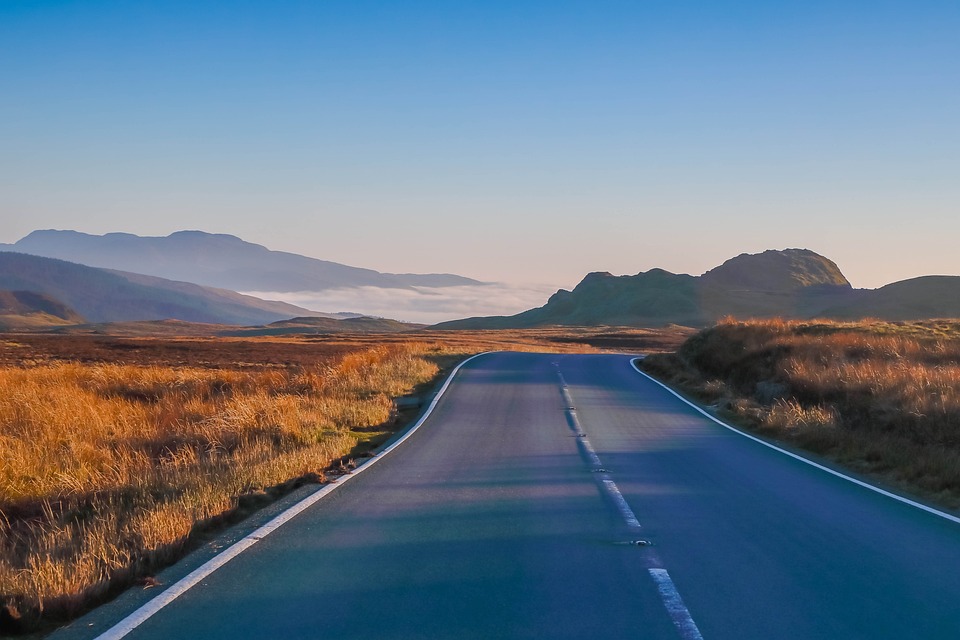
In an age where travel often seems dominated by rushed itineraries and Instagrammable moments, there exists a quieter, yet profoundly rich way of exploring the world: the nomadic lifestyle. Embracing flexibility and spontaneity, modern-day nomads have crafted a life full of unique stories from the roads less traveled. This article delves into the essence of these nomadic narratives, exploring their motivations, experiences, and the transformative power of travel.
The Rise of Nomadism
Nomadism is not a new phenomenon. Historically, nomadic tribes traversed vast landscapes, adapting to the seasons and their surroundings. Today, however, technology and globalization have redefined what it means to be a nomad. With the rise of remote work, especially following the global shift due to the COVID-19 pandemic, many people have chosen to exchange the corporate office for the open road.
A study by the FlexJobs Research Team discovered that nearly 60% of workers prefer remote jobs for lifestyle flexibility. This desire to break free from traditional constraints has ushered in a new generation of nomads, from digital nomads exploring tropical beaches to van-lifers converting their vehicles into mobile homes.
Stories from the Road Less Traveled
Each nomad carries a unique story, laden with experiences shaped by culture, adventure, and personal growth. Meet Lisa Carter, a 34-year-old graphic designer who left her Seattle-based job to travel through Southeast Asia and beyond. Lisa shares, “The moment I sold my belongings and bought a one-way ticket to Thailand, I felt an exhilarating sense of liberation. I wanted to immerse myself in different cultures and discover my authentic self.”
Lisa’s journey took her through bustling markets in Chiang Mai, serene beaches in Bali, and vibrant street art scenes in Vietnam. Each destination not only offered her a chance to refine her craft but also let her engage with local artists and storytellers, enriching her own narrative in the process.
On the other end of the spectrum is Tomás Sandoval, a former school teacher who turned to travel after feeling unfulfilled in his conventional career. With only a backpack and a camera, Tomás set off to explore the hidden gems of Latin America. Through his lens, he captures the stories of everyday people—farmers, artisans, and fishermen—offering a glimpse into lives often overshadowed by tourism.
The Societal Impact of Nomadic Narratives
These stories extend beyond personal transformation; they contribute to a broader understanding of global interconnectedness. As nomads venture off the beaten path, they become unwitting ambassadors, bridging cultural gaps and fostering empathy among diverse communities.
Elizabeth Becker, a cultural anthropologist, emphasizes this perspective: “Nomads have a unique position in society. They can share and communicate diverse narratives that challenge stereotypes and promote understanding. In this digital age, every nomadic narrative contributes to a tapestry of global culture.”
Moreover, nomadic travelers often gravitate towards sustainable practices, supporting local economies and minimizing their carbon footprints. Organizations like National Geographic advocate for responsible travel, underscoring that well-intentioned journeys can significantly impact local communities positively.
Challenges Faced on the Journey
However, life on the road is not without its difficulties. Isolation, cultural misunderstandings, and the challenge of maintaining long-term relationships can weigh heavily on nomads. Ravi Mehta, a seasoned traveler who spent five years wandering through Europe and Asia, highlights, “The freedom of the nomadic lifestyle comes with sacrifices. Often, I yearn for the comfort of a consistent community.”
Additionally, as more people discover the joys of nomadism, the phenomenon can lead to overtourism in specific areas, creating a delicate balance between exploration and preservation. The rising popularity of certain locales calls for a conscious effort from travelers to respect and safeguard these environments.
The Future of Nomadic Living
As we look ahead, the future of nomadic living appears vibrant and full of possibility. With ongoing advancements in technology and a growing emphasis on work-life balance, more individuals may embrace this flexible lifestyle. However, it will be essential to navigate the complexities that arise from such a shift, ensuring that travel promotes mutual respect and understanding rather than exploitation.
In conclusion, nomadic narratives enrich the global consciousness. They serve as a reminder that every journey has the potential to cultivate empathy and understanding, transforming not just the traveler, but the world around them. Embracing the roads less traveled leads us to the most genuine and compelling stories of human connection—stories that beckon us to explore, not just with our eyes, but with our hearts.
In an age where travel often seems dominated by rushed itineraries and Instagrammable moments, there exists a quieter, yet profoundly rich way of exploring the world: the nomadic lifestyle. Embracing flexibility and spontaneity, modern-day nomads have crafted a life full of unique stories from the roads less traveled. This article delves into the essence of these nomadic narratives, exploring their motivations, experiences, and the transformative power of travel.
The Rise of Nomadism
Nomadism is not a new phenomenon. Historically, nomadic tribes traversed vast landscapes, adapting to the seasons and their surroundings. Today, however, technology and globalization have redefined what it means to be a nomad. With the rise of remote work, especially following the global shift due to the COVID-19 pandemic, many people have chosen to exchange the corporate office for the open road.
A study by the FlexJobs Research Team discovered that nearly 60% of workers prefer remote jobs for lifestyle flexibility. This desire to break free from traditional constraints has ushered in a new generation of nomads, from digital nomads exploring tropical beaches to van-lifers converting their vehicles into mobile homes.
Stories from the Road Less Traveled
Each nomad carries a unique story, laden with experiences shaped by culture, adventure, and personal growth. Meet Lisa Carter, a 34-year-old graphic designer who left her Seattle-based job to travel through Southeast Asia and beyond. Lisa shares, “The moment I sold my belongings and bought a one-way ticket to Thailand, I felt an exhilarating sense of liberation. I wanted to immerse myself in different cultures and discover my authentic self.”
Lisa’s journey took her through bustling markets in Chiang Mai, serene beaches in Bali, and vibrant street art scenes in Vietnam. Each destination not only offered her a chance to refine her craft but also let her engage with local artists and storytellers, enriching her own narrative in the process.
On the other end of the spectrum is Tomás Sandoval, a former school teacher who turned to travel after feeling unfulfilled in his conventional career. With only a backpack and a camera, Tomás set off to explore the hidden gems of Latin America. Through his lens, he captures the stories of everyday people—farmers, artisans, and fishermen—offering a glimpse into lives often overshadowed by tourism.
The Societal Impact of Nomadic Narratives
These stories extend beyond personal transformation; they contribute to a broader understanding of global interconnectedness. As nomads venture off the beaten path, they become unwitting ambassadors, bridging cultural gaps and fostering empathy among diverse communities.
Elizabeth Becker, a cultural anthropologist, emphasizes this perspective: “Nomads have a unique position in society. They can share and communicate diverse narratives that challenge stereotypes and promote understanding. In this digital age, every nomadic narrative contributes to a tapestry of global culture.”
Moreover, nomadic travelers often gravitate towards sustainable practices, supporting local economies and minimizing their carbon footprints. Organizations like National Geographic advocate for responsible travel, underscoring that well-intentioned journeys can significantly impact local communities positively.
Challenges Faced on the Journey
However, life on the road is not without its difficulties. Isolation, cultural misunderstandings, and the challenge of maintaining long-term relationships can weigh heavily on nomads. Ravi Mehta, a seasoned traveler who spent five years wandering through Europe and Asia, highlights, “The freedom of the nomadic lifestyle comes with sacrifices. Often, I yearn for the comfort of a consistent community.”
Additionally, as more people discover the joys of nomadism, the phenomenon can lead to overtourism in specific areas, creating a delicate balance between exploration and preservation. The rising popularity of certain locales calls for a conscious effort from travelers to respect and safeguard these environments.
The Future of Nomadic Living
As we look ahead, the future of nomadic living appears vibrant and full of possibility. With ongoing advancements in technology and a growing emphasis on work-life balance, more individuals may embrace this flexible lifestyle. However, it will be essential to navigate the complexities that arise from such a shift, ensuring that travel promotes mutual respect and understanding rather than exploitation.
In conclusion, nomadic narratives enrich the global consciousness. They serve as a reminder that every journey has the potential to cultivate empathy and understanding, transforming not just the traveler, but the world around them. Embracing the roads less traveled leads us to the most genuine and compelling stories of human connection—stories that beckon us to explore, not just with our eyes, but with our hearts.
Related Products
-
Tweezers for Women Facial Hair, 6-Pc Eyebrow Kit w…
Products $6.79 -
TSA Approved Silicone Cream Jars, Travel Container…
Products $9.99 -
Sale!
2026 Travel Essentials for Apple Watch Charger,Cru…
Products Original price was: $11.99.$9.99Current price is: $9.99.


